
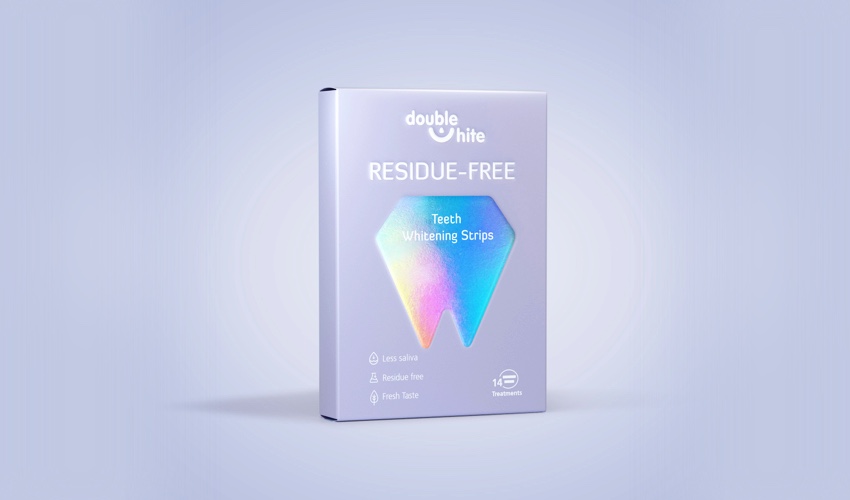
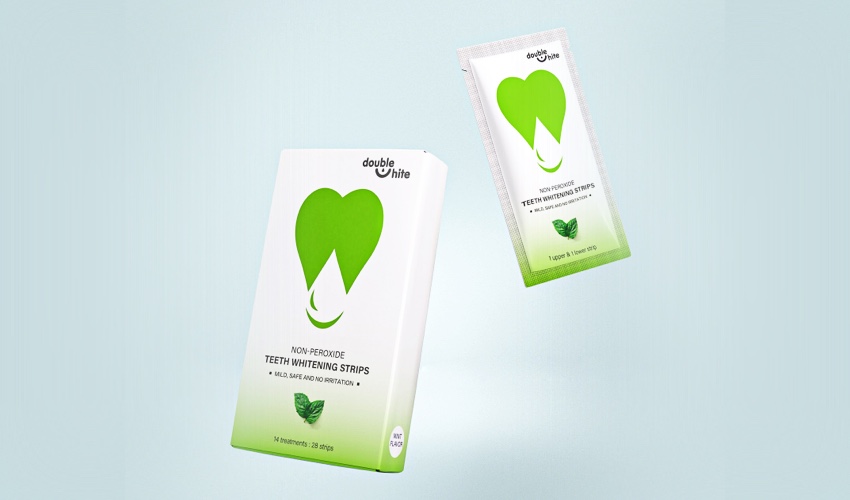
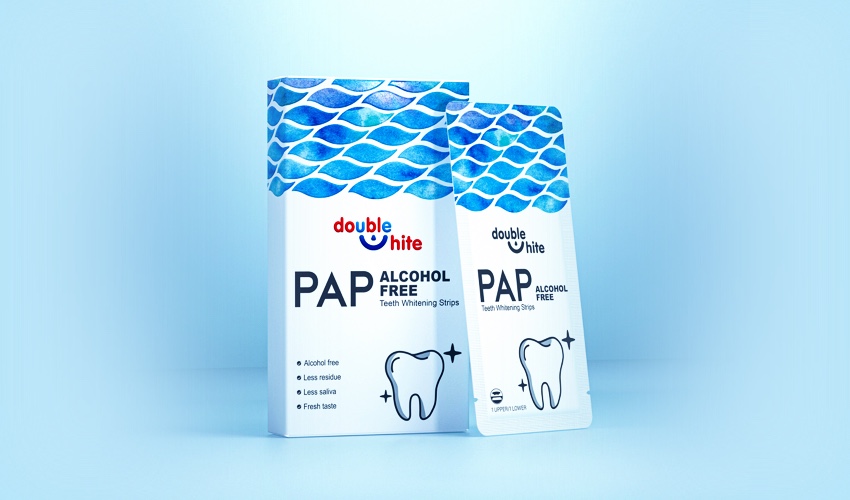
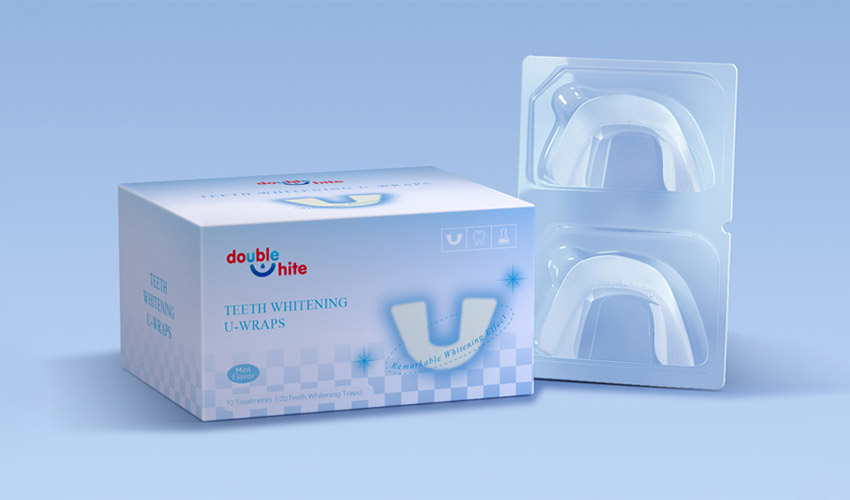



Como iniciar um negócio lucrativo de tiras clareadoras dentais: custos, licenças e guia de crescimento
Um guia completo para empreendedores sobre como lançar um negócio de tiras clareadoras dentais, abordando temas como lucratividade, requisitos legais da FDA/UE e busca por fabricantes de marca própria. Detalha os custos iniciais, que variam de US$ 1.500 a US$ 15.000, e fornece estratégias de marketing específicas para alcançar alto crescimento e sucesso.
- Introdução
- Um negócio de tiras clareadoras dentais é lucrativo?
- Quanto custa abrir um negócio de clareamento dental?
- Preciso de licença para vender tiras clareadoras de dentes?
- Como encontrar um fabricante de clareamento dental de marca própria?
- As tiras clareadoras de dentes são consideradas um dispositivo cosmético ou médico?
- Qual a diferença entre clareamento dental de marca branca e clareamento de marca própria?
- Posso vender produtos para clareamento dental na Amazon?
- Quais são os requisitos legais para a venda de tiras clareadoras dentais?
- O setor de clareamento dental está em crescimento?
- Como divulgar um negócio de clareamento dental online?
- Conclusão
Introdução
O mercado global de clareamento dental não está apenas crescendo; está explodindo. Projeta-se que alcance um valor impressionante.US$ 12,77 bilhões até 2032Este setor é impulsionado pelo "efeito Zoom", influenciadores de mídias sociais e um desejo universal por um sorriso mais brilhante. Para empreendedores, as tiras clareadoras dentais representam um dos pontos de entrada mais acessíveis no lucrativo setor de beleza e cuidados bucais. Ao contrário dos volumosos kits de LED ou dos complexos equipamentos odontológicos, as tiras são leves, fáceis de transportar e têm uma alta taxa de recompra.
No entanto, a barreira de entrada é enganosa. Embora seja fácil encontrar um fornecedor, construir umalegal e lucrativoA criação de uma marca exige navegar por um labirinto de regulamentações da FDA/UE, restrições de ingredientes e forte concorrência em plataformas como a Amazon. Este guia simplifica tudo isso, oferecendo um roteiro objetivo e passo a passo para lançar um negócio de tiras clareadoras dentais em conformidade com as normas e com alta margem de lucro.
Um negócio de tiras clareadoras dentais é lucrativo?
Sim, um negócio de tiras clareadoras dentais pode ser altamente lucrativo devido aos baixos custos de fabricação e ao alto valor percebido. O setor normalmente observamargens de lucro que variam de 200% a 500%.
Custo dos Produtos Vendidos (CPV): Uma caixa padrão de tiras clareadoras de marca própria (14 aplicações) pode custar entre$ 2,00 e $ 5,00A fabricação depende do volume do pedido e da personalização da embalagem.
Preço de varejo: Essas mesmas caixas normalmente são vendidas porDe US$ 20,00 a US$ 45,00on-line.
Receita recorrente:Diferentemente da compra única de uma lâmpada de clareamento dental, as tiras de clareamento são um produto consumível. Clientes que observam resultados frequentemente assinam um plano ou fazem novos pedidos a cada 3 a 6 meses, aumentando o Valor Vitalício do Cliente (CLV).
O sucesso depende muito da marca. Um produto genérico de "marca branca" compete em preço (margem baixa), enquanto uma marca própria forte, com embalagem exclusiva e reconhecimento social, compete em valor (margem alta).
Quanto custa abrir um negócio de clareamento dental?
Os custos iniciais variam significativamente dependendo do seu modelo de negócio. Você pode lançar uma marca "enxuta" ou uma marca "premium" em grande escala.
1. O Modelo Lean "Testador" (US$ 1.500 – US$ 3.000)
Inventário:50 a 100 unidades de tiras de marca branca (US$ 300 a US$ 600).
Site:Plano básico do Shopify + modelo (US$ 300).
Marketing:Distribuição de conteúdo por microinfluenciadores e pequenos anúncios em redes sociais (US$ 1.000).
Jurídico:Registro básico de empresa (a partir de US$ 200).
2. O Modelo de Marca Premium (US$ 8.000 – US$ 15.000+)
Inventário:500 a 1.000 unidades com impressão personalizada em folha metálica e caixas premium (US$ 3.000 a US$ 5.000).
Desenvolvimento de produto:Formulação personalizada (ex.: sem peróxido, PAP+) ou amostras de sabor (US$ 1.000).
Identidade visual e design:Logotipo profissional, design de embalagem e experiência de unboxing (US$ 2.000).
Conformidade e Seguros:Seguro de responsabilidade civil do produto e taxas de registro na FDA, se aplicável (US$ 1.500).
Marketing:Sessão fotográfica profissional e estratégia de lançamento de anúncios pagos (a partir de US$ 3.000).
Preciso de licença para vender tiras clareadoras de dentes?
Na maioria das jurisdições, você faznãoÉ necessário ter uma licença odontológica ou médica para vender tiras clareadoras dentais sem receita médica, pois elas são geralmente classificadas como produtos cosméticos. No entanto, você deve cumprir os requisitos padrão para licenciamento comercial:
Licença Comercial Geral:Exigido pela legislação municipal ou estadual para o funcionamento de qualquer entidade comercial.
Licença de Imposto sobre Vendas:Responsável por recolher e repassar o imposto sobre vendas de mercadorias vendidas.
Certificado de Revenda:Permite comprar estoque isento de impostos diretamente dos fabricantes.
Atenção, atenção!Se você planeja oferecerserviços (aplicar as tiras nos dentes dos clientes pessoalmente), muitos estados e países consideram isso como "prática da odontologia", o que de fatoÉ necessário ter uma licença profissional de odontologia. Vender o produto para o cliente usar em casa evita esse obstáculo legal.
Como encontrar um fabricante de clareamento dental de marca própria?
Encontrar um fabricante confiável é a etapa mais crítica da sua cadeia de suprimentos. Você deve procurar parceiros de "marca própria" ou "OEM" (Fabricante de Equipamento Original), e não apenas atacadistas.
Principais canais de fornecimento:
Wonnda / ThomasNet:Excelente para encontrar fabricantes europeus e americanos de confiança.
Alibaba / Fontes Globais:O padrão para encontrar fabricantes asiáticos com boa relação custo-benefício (marcas como Onuge e Cinoll são grandes nomes nesse segmento).
Feiras comerciais:Eventos como o Cosmoprof são ideais para conhecer fornecedores pessoalmente.
Lista de verificação (Os itens "essenciais"):
1.Certificações:Solicite as certificações GMP (Boas Práticas de Fabricação), ISO 22716 eRegistro na FDAnúmeros.
2.Transparência dos ingredientes:Garantir que eles possam produzir fórmulas em conformidade com o CPNP (para a UE) eEm conformidade com a FDArótulos (para os EUA).
3.Quantidade mínima de encomenda (MOQ):Muitos fornecedores agora oferecem quantidades mínimas de encomenda (MOQ) de apenas 50 a 100 unidades para startups, embora embalagens personalizadas geralmente exijam mais de 500 unidades.
As tiras clareadoras de dentes são consideradas um dispositivo cosmético ou médico?
Essa classificação depende inteiramente da região e das alegações específicas que você fizer.
Estados Unidos (FDA): As tiras clareadoras de dentes são geralmente regulamentadas como cosméticos se alegarem apenas clarear os dentes removendo manchas. No entanto, se o produto alegar que altera a estrutura do dente ou trata alguma doença (por exemplo, "cura a sensibilidade gengival"), pode ser classificado como medicamento. Alguns dispositivos clareadores (como luzes de LED) são Dispositivos Médicos de Classe I, mas as tiras, por si só, geralmente são consideradas cosméticos.Aviso:Nunca afirme que seu produto é "aprovado pelo FDA". O FDA não aprova cosméticos; ele apenas "registra" instalações.
União Europeia (UE): Classificada estritamente comocosméticosA UE impõe limites muito rígidos ao peróxido de hidrogênio:
< 0,1% de peróxido de hidrogênio:Pode ser vendido diretamente aos consumidores (sem receita médica).
Peróxido de hidrogênio 0,1% - 6%:Só pode ser vendido a profissionais de odontologia (não online para consumidores).
> 6% de peróxido de hidrogênio:Ilegal na UE para uso cosmético.
Qual a diferença entre clareamento dental de marca branca e clareamento de marca própria?
Compreender essa distinção afeta os custos iniciais e o valor da sua marca.
Marca branca:
Definição:O fabricante produz um produto genérico que é vendido a diversos varejistas. Você simplesmente coloca seu logotipo em uma caixa padrão.
Prós:Custo inicial mínimo, quantidades mínimas de encomenda (MOQs) muito baixas, rápida entrada no mercado (1-2 semanas).
Contras:Ausência de diferenciação (os concorrentes vendem exatamente o mesmo produto), embalagem genérica, margens de lucro menores.
Marca Própria:
Definição:Você trabalha com um fabricante para personalizar o produto. Isso pode significar uma fórmula exclusiva (por exemplo, sabor de coco, tecnologia antiderrapante), embalagens de alumínio personalizadas e um formato de caixa diferenciado.
Prós:Alta fidelização à marca, margens de lucro mais elevadas, dificuldade de cópia por parte dos concorrentes, controlo total sobre a experiência de desembalagem.
Contras:Custos iniciais mais elevados, prazos de entrega mais longos (4 a 8 semanas), quantidades mínimas de encomenda (MOQ) mais altas (normalmente 500 a 1000+ unidades).
Posso vender produtos para clareamento dental na Amazon?
Sim, mas é uma categoria "restrita" e de alto risco. A Amazon possui protocolos de conformidade rigorosos para produtos "tópicos" e de "cuidados bucais".
Aprovação necessária: Você precisa solicitar aprovação para vender noBeleza e Cuidados Pessoaiscategoria. Isso geralmente exige o envio de faturas do fabricante (não um recibo de compra).
Documentação de segurança: É provável que a Amazon solicite umFicha de Dados de Segurança (FDS)Para comprovar que seu produto é seguro e não apresenta riscos.
Restrições ao uso de peróxido:
Amazon EUA:Geralmente permite níveis padrão de peróxido de venda livre (normalmente até 10-14% de equivalente de peróxido de hidrogênio), mas os anúncios são frequentemente sinalizados se parecerem com produtos de "uso profissional".
Amazon Reino Unido/UE:Extremamente rigorosos. Removem agressivamente anúncios de produtos que contenham mais de 0,1% de peróxido de hidrogênio (ou equivalentes de peróxido de carbamida) vendidos a consumidores.
Reivindicações:Você não pode usar palavras-chave proibidas como "Aprovado pelo FDA" nem fazer alegações médicas. Fazer isso resultará na suspensão imediata do seu cadastro.
Quais são os requisitos legais para a venda de tiras clareadoras dentais?
Para vender legalmente e evitar processos judiciais ou apreensões de produtos, você deve aderir a estes pilares de conformidade:
Conformidade dos ingredientes:
NÓS:Os ingredientes devem ser seguros para uso. Evite substâncias proibidas.
Reino Unido/UE:Respeite rigorosamente o limite de <0,1% de peróxido de hidrogênio para vendas diretas ao consumidor.
Rotulagem (MoCRA nos EUA):
É necessário listar todos os ingredientes em ordem decrescente de predominância.
Deve incluir o endereço da "Pessoa Responsável" (endereço residencial obrigatório).
Deve incluir a quantidade líquida do conteúdo (ex.: "14 tiras / 0,5 oz").
Geralmente são necessários rótulos de advertência (por exemplo, "Mantenha fora do alcance de crianças", "Não ingerir").
Seguro:Seguro de Responsabilidade Civil do ProdutoÉ inegociável. Se um cliente alegar que suas tiras queimaram suas gengivas ou danificaram o esmalte dos dentes, este seguro cobre defesa jurídica e indenizações.
O setor de clareamento dental está em crescimento?
O setor está apresentando um crescimento robusto e sustentado.
Tamanho do mercado: O mercado global de clareamento dental foi avaliado em aproximadamente US$ 7 bilhões em 2024 e projeta-se que cresça a uma taxa composta de crescimento anual (CAGR) de cerca de5% a 6%até 2030.
Tendências de consumo:
Preferência para uso em casa:A transição de tratamentos odontológicos caros (acima de US$ 500) em consultório para a manutenção caseira acessível (menos de US$ 50) está se acelerando.
Ingredientes naturais:Existe uma crescente demanda por produtos de higiene bucal que priorizam a "beleza limpa" — opções sem peróxido (usando PAP ou bicarbonato de sódio), infusões de carvão ativado e tiras veganas.
Cuidados masculinos:O público masculino está se tornando uma base de consumidores significativa para produtos clareadores, expandindo o mercado total potencial.
Como divulgar um negócio de clareamento dental online?
Como não é fácil anunciar benefícios "médicos", seu marketing deve se concentrar em estilo de vida e vaidade.
Marketing de influência:Este é o principal fator de sucesso para as tiras clareadoras. Envie produtos gratuitos para microinfluenciadores (5 mil a 50 mil seguidores) no TikTok e Instagram. Os vídeos de "Antes e Depois" deles fornecem a prova social necessária para converter clientes em compradores.
Conteúdo gerado pelo usuário (UGC):Incentive os clientes a publicarem seus resultados. Sorrisos genuínos vendem melhor do que fotos de banco de imagens perfeitas.
SEO (Otimização para Mecanismos de Busca):Diferentemente dos anúncios pagos, publique conteúdo em blogs respondendo a perguntas como "como clarear dentes sensíveis" ou "como remover manchas de café" para atrair tráfego orgânico.
Anúncios pagos (Meta/Google):
Gancho:Destaque o benefício ("Conquiste um sorriso perfeito para um encontro em 30 minutos").
Conformidade:Tenha muito cuidado com as políticas de anúncios do Facebook sobre "Saúde Pessoal". Evite fotos com zoom em partes do corpo (dentes) que pareçam médicas ou desagradáveis, pois elas costumam ser rejeitadas. Foque no rosto sorridente de uma pessoa confiante.
Conclusão
Iniciar um negócio de tiras clareadoras dentais oferece uma combinação rara de altas margens de lucro, receita recorrente e demanda massiva do consumidor. No entanto, os dias de simplesmente colocar um logotipo em um produto genérico do AliExpress estão chegando ao fim. Os vencedores em 2026 e nos anos seguintes serão as marcas que priorizarem...conformidade(cumprindo as rigorosas normas de segurança da UE/EUA), diferenciação (fórmulas exclusivas ou embalagens ecológicas) eprova social(Construindo uma comunidade de usuários reais). Seguindo as diretrizes regulatórias e começando com uma estratégia clara de marca própria, você pode construir um negócio promissor e sustentável no mercado de higiene bucal.
Respostas para perguntas sobre clareamento dentário: análise de perguntas frequentes
Cuidados Íntimos: Dicas de Clareamento para Tiras de Clareamento Dentário
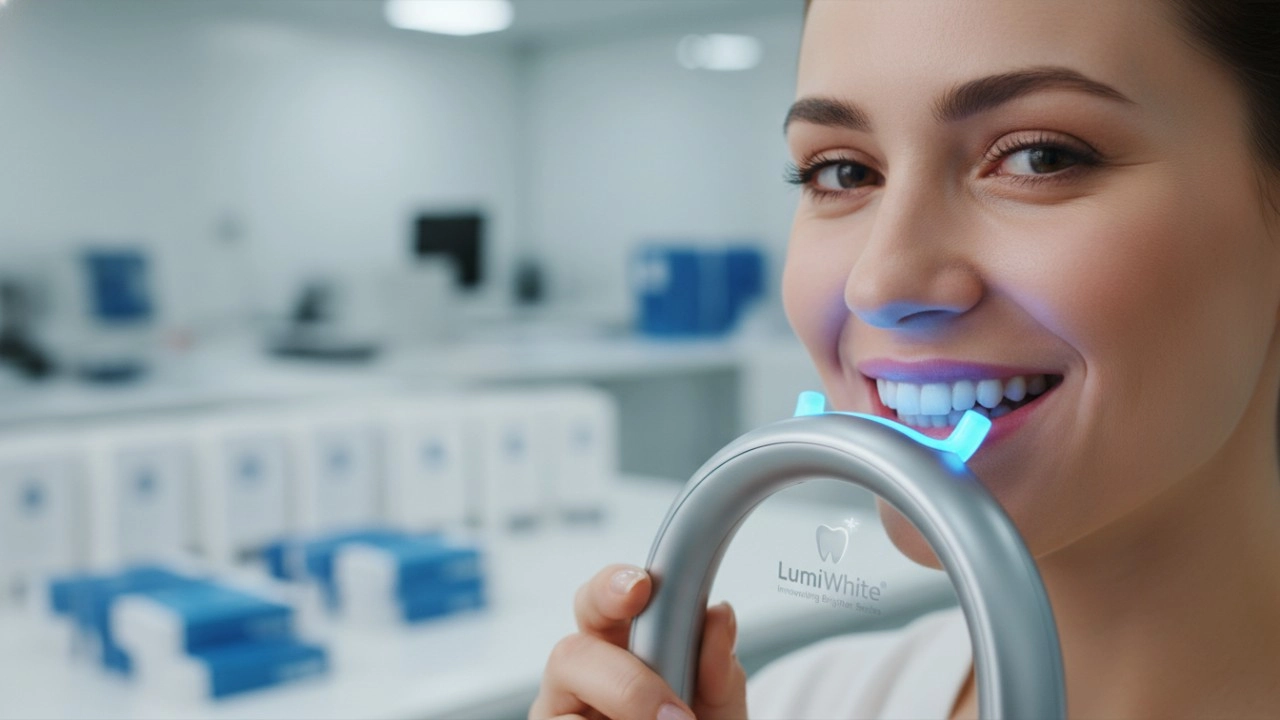
Como escolher o melhor fabricante de luzes LED para clareamento dental em 2026: O guia definitivo para fornecedores B2B
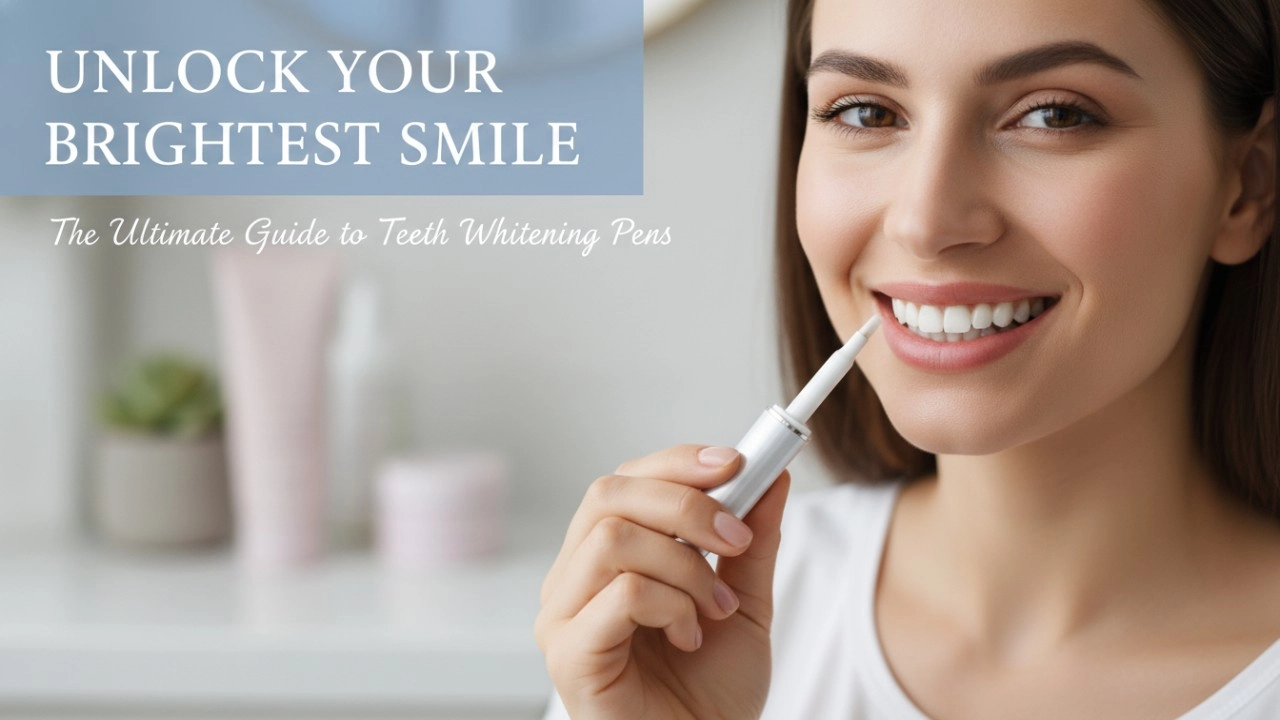
Como escolher um fabricante de canetas clareadoras dentais em 2026: O guia definitivo do setor
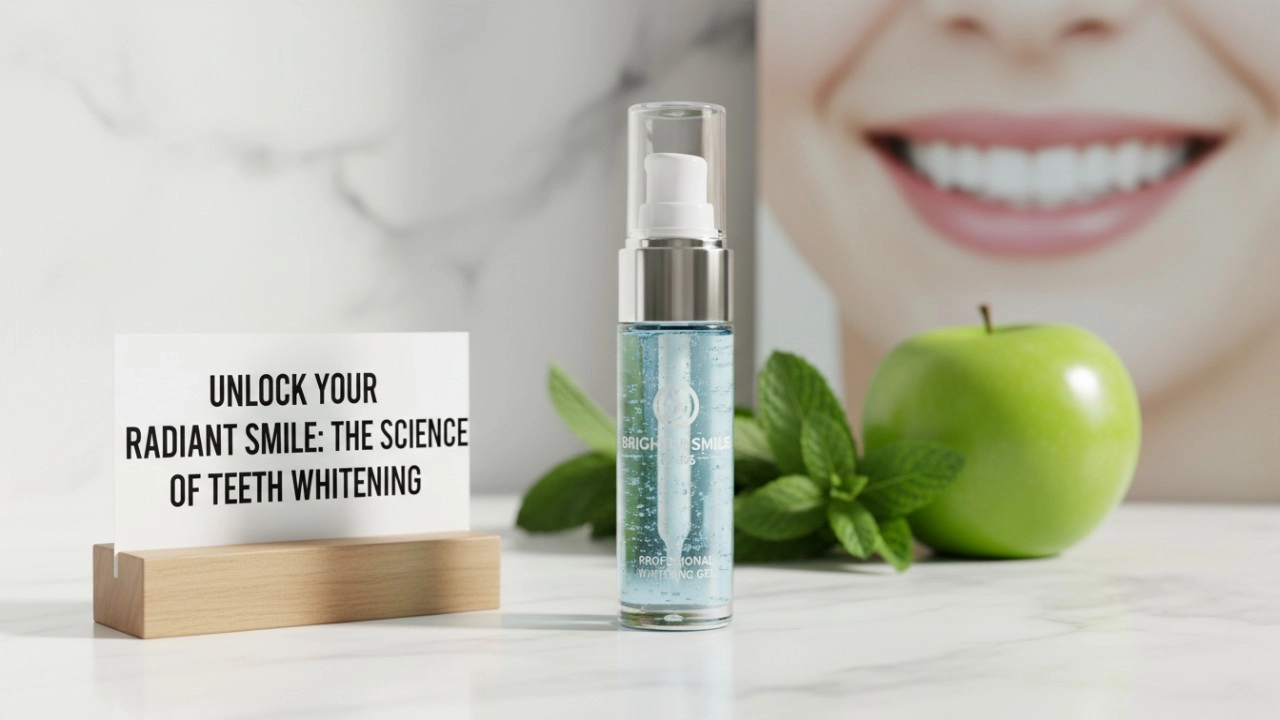
Guia Estratégico de 2026 para Fabricantes de Gel Clareador Dental: Fornecimento, Ciência e Escalabilidade
Os 25 melhores produtos comerciais para clareamento dental de 2026: o ranking definitivo (testados e classificados)
Sobre preço e pagamento
Vocês oferecem descontos para compras em grandes quantidades?
Sim, oferecemos descontos para compras em grandes quantidades. A taxa de desconto específica depende da quantidade do pedido e do método de cooperação.
Sobre Logística
Seu serviço de logística e distribuição é confiável?
Sim, cooperamos com diversas empresas de logística conhecidas para garantir a pontualidade e a confiabilidade dos serviços de logística e distribuição e lhe proporcionar uma experiência de distribuição satisfatória.
Sobre sugestões de soluções
Posso clarear meus dentes em casa?
Sim, nossos produtos são adequados para uso doméstico, você pode clarear seus dentes em casa, economizando tempo e dinheiro.
Sobre a personalização de receitas
Como garantir a estabilidade e eficácia da fórmula?
Temos uma equipe profissional de P&D e um rigoroso sistema de controle de qualidade para garantir a estabilidade e o efeito clareador da fórmula.
Sobre Serviços Personalizados
Vocês podem fornecer serviços de personalização personalizados?
Sim, podemos fornecer serviços personalizados de acordo com suas necessidades e requisitos, incluindo especificações do produto, embalagem e rotulagem privada, etc.
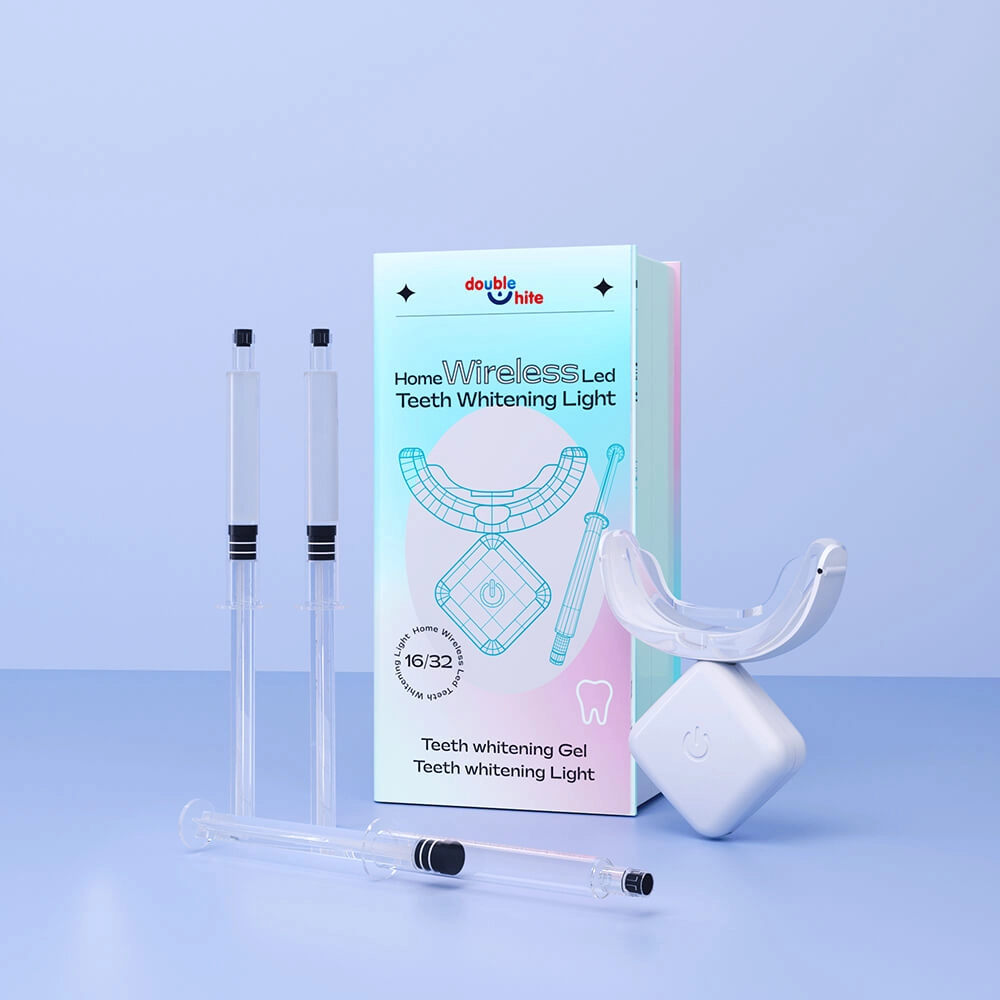
Kits de LED para clareamento dental em casa
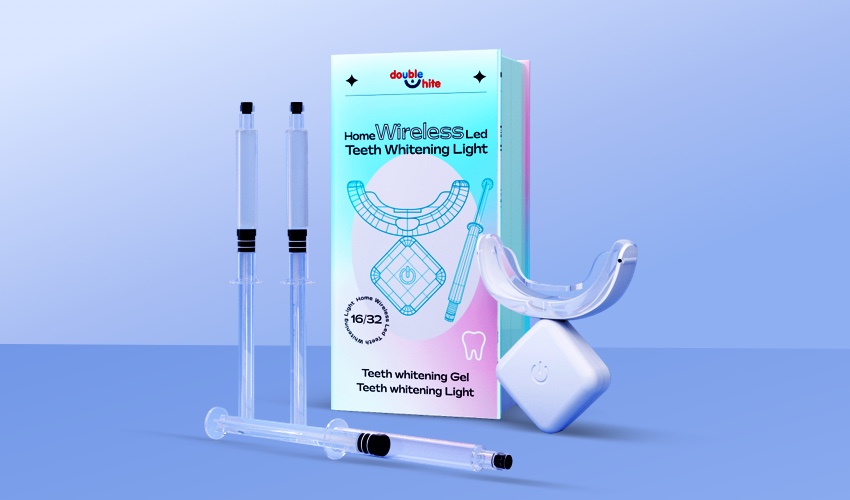
Obtenha dentes 8 tons mais brancos em apenas uma semana, dando adeus às manchas de café, refrigerante, vinho, cigarro e alimentos açucarados. Nossa fórmula suave e eficaz, sem glúten, garante que os resultados alcançados sejam duradouros.
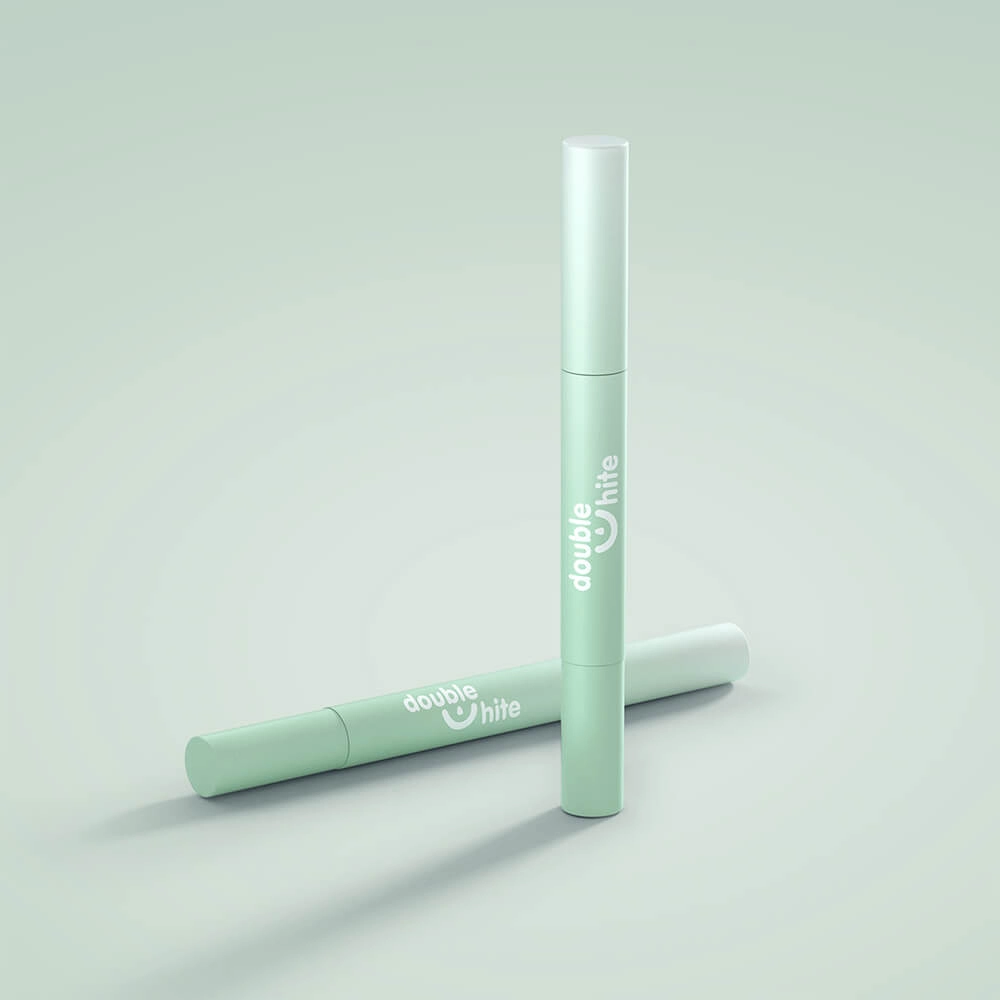
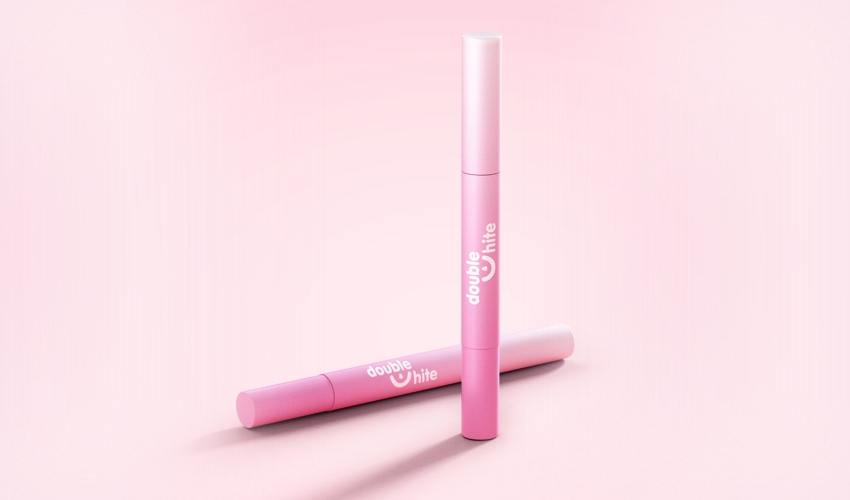
Caneta de gel de clareamento dental personalizada PAP01
Nosso kit de clareamento dental é pequeno e portátil, perfeito para emergências e viagens, você pode obter cuidados bucais profissionais e eficazes a qualquer hora e em qualquer lugar. Durante o uso de nossa caneta de clareamento dental, use duas vezes ao dia, dentro de uma semana para ver o efeito de clareamento óbvio.
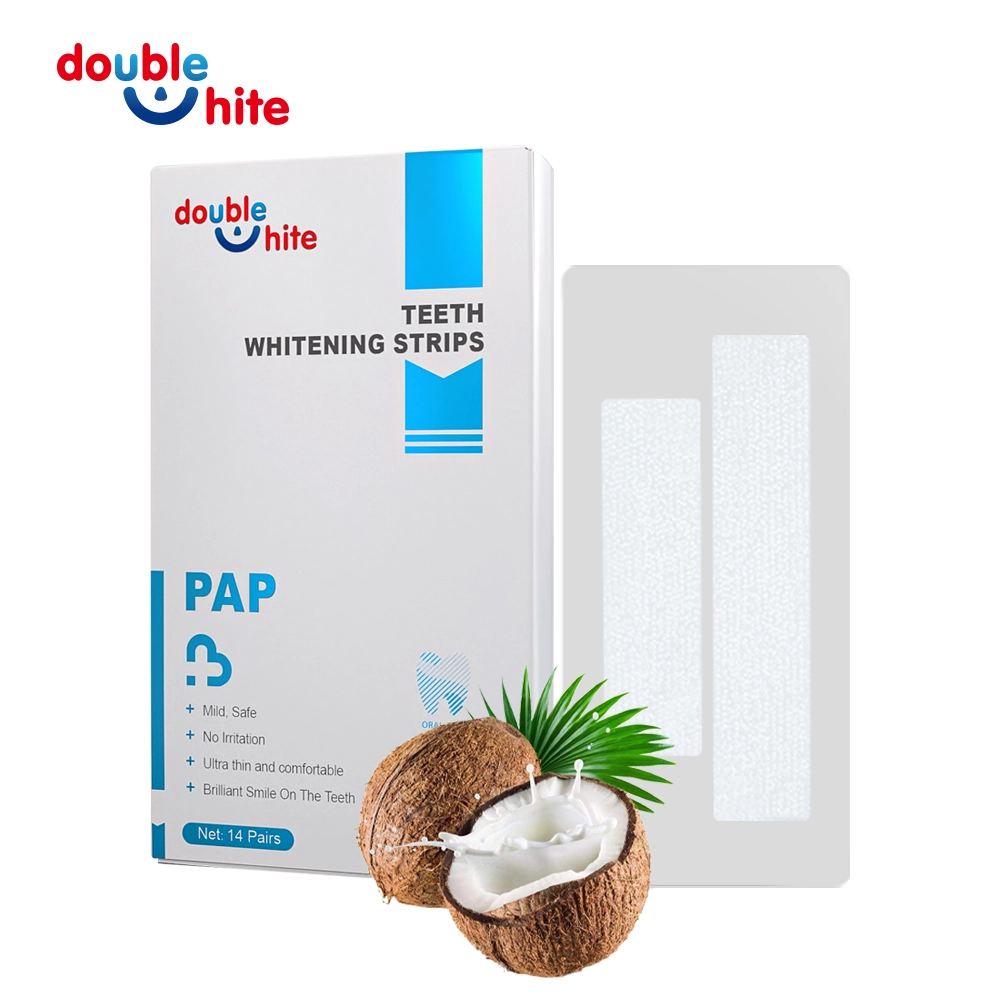
Tiras de gel de clareamento dental PAP personalizadas
Entendemos o desconforto que geralmente acompanha o clareamento dos dentes. É por isso que nossa fórmula PAP (ácido ftalimido-peroxi-capróico) foi desenvolvida pensando na sensibilidade. Suave, mas eficaz, garante uma experiência sem dor durante todo o processo de clareamento.
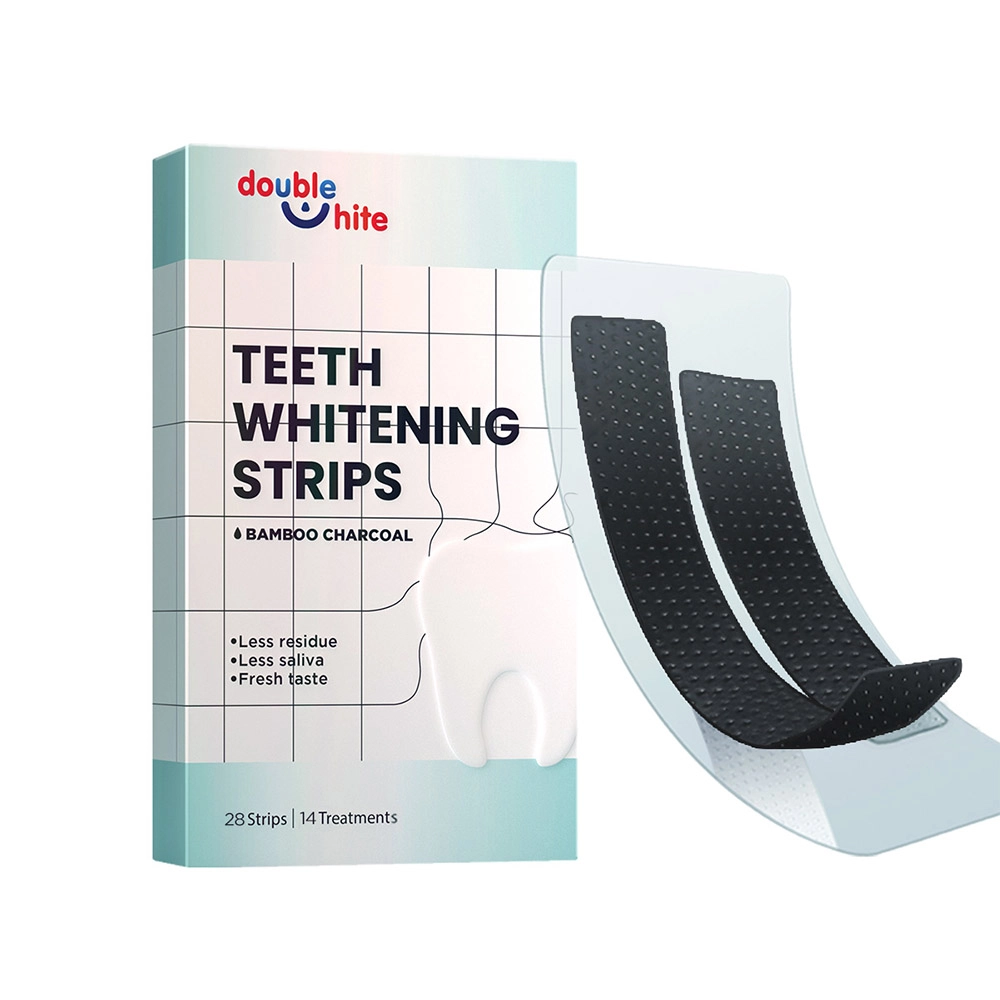
Tiras de clareamento dental de carvão no atacado
As tiras de clareamento dental Double White Charcoal oferecem uma solução natural e eficaz para iluminar seu sorriso. Infundidas com carvão ativado, essas tiras removem manchas e clareiam os dentes suavemente. Ideais para quem compra em grandes quantidades e busca produtos de higiene bucal de qualidade com resultados comprovados.
Envie-nos sua consulta
Entre em contato conosco através do formulário abaixo ou através das informações de contato fornecidas.
Nossa equipe dedicada está comprometida em fornecer respostas rápidas e personalizadas a todas as suas dúvidas.
Preencha os campos acima com seu nome completo, endereço de e-mail e comentário.


Copyright © 2026 Double White Todos os direitos reservados. Design por gooeyun.
Whatsapp: +8615920313473
cdoublebranco
Branco duplo
duplobrancocn
cdoublebranco
cdoublebranco